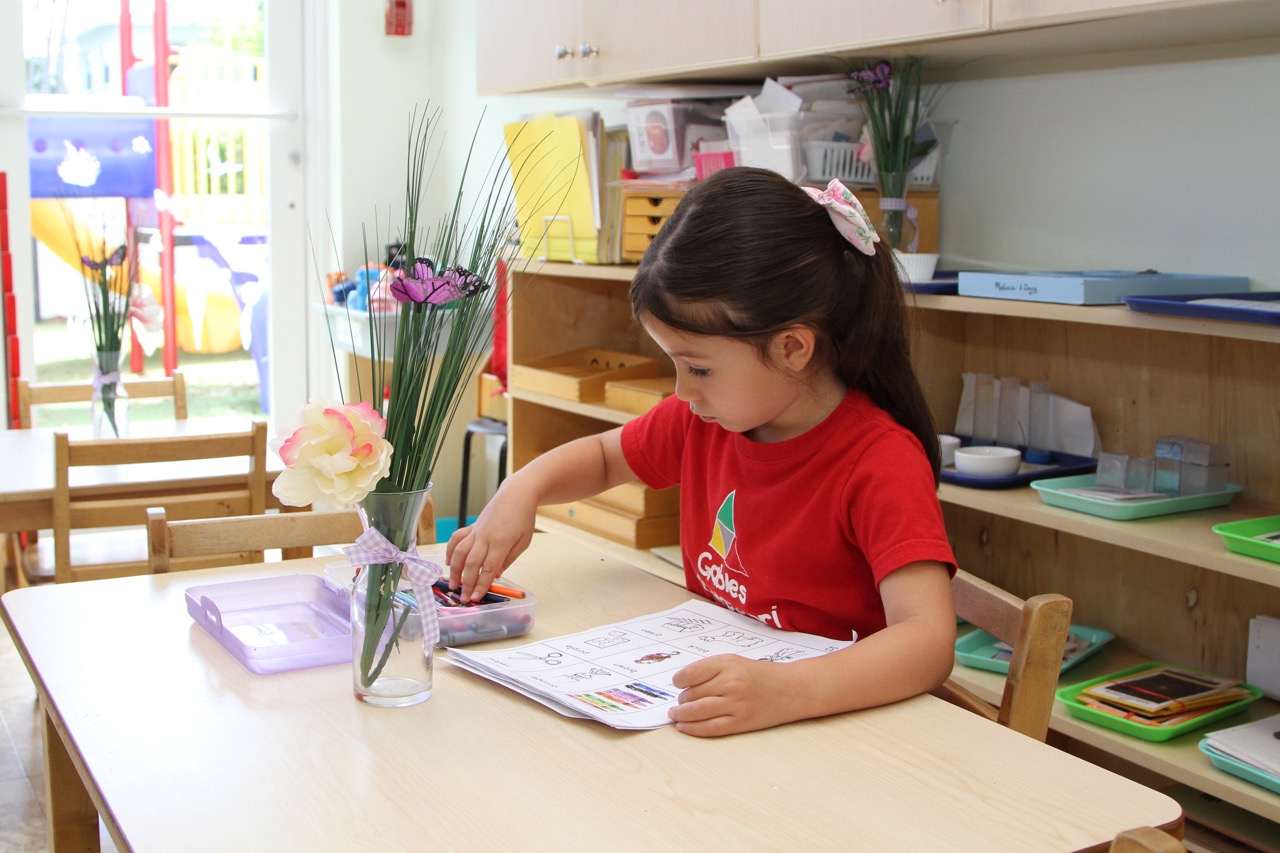
Montessori education has stood the test of time as one of the most effective and child-centered approaches to learning. Developed by Dr. Maria Montessori over a century ago, this method continues to shape confident, capable, and curious individuals by focusing on independence, respect, and hands-on discovery.
What Makes Montessori Different?
Unlike traditional education models that rely heavily on direct instruction and standardized pacing, Montessori classrooms are carefully prepared environments designed to meet each child where they are developmentally.
Children are encouraged to explore, choose their activities, and learn at their own pace. Teachers, often referred to as guides, observe and support rather than direct every step. This creates a learning experience that is both structured and flexible.
The Power of Independence
One of the core principles of Montessori education is fostering independence from an early age. Children are given real responsibilities—pouring their own water, cleaning up their workspace, choosing their tasks—which builds confidence and self-discipline.
When children are trusted with responsibility, they develop a strong sense of capability. Over time, this independence extends beyond the classroom, shaping decision-making skills and resilience.
Hands-On Learning and Real Understanding
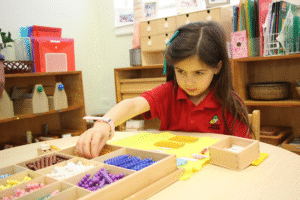
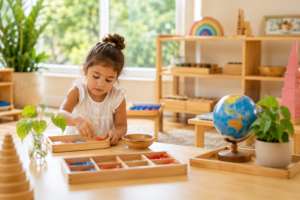
Montessori materials are intentionally designed to be tactile and self-correcting. Rather than memorizing abstract concepts, children engage with physical materials that help them understand ideas deeply.
For example, math is not introduced through worksheets alone but through manipulatives that allow children to see and feel numbers. Language development is supported through phonetic tools and real-life communication.
This hands-on approach leads to stronger comprehension and long-term retention.
Respect for the Child
Montessori education is rooted in respect—respect for the child’s pace, interests, and individuality. Every child is seen as capable and naturally eager to learn.
Instead of comparing students or enforcing uniform outcomes, Montessori classrooms celebrate differences. Children are encouraged to collaborate rather than compete, creating a supportive and inclusive environment.
Mixed-Age Classrooms: A Unique Advantage
Montessori classrooms typically group children across a three-year age span. This structure allows younger children to learn by observing older peers, while older children reinforce their knowledge by mentoring others.
This dynamic fosters leadership, empathy, and a strong sense of community.
Preparing Children for the Future
The skills developed in a Montessori environment go far beyond academics. Children learn how to think critically, manage their time, solve problems, and take initiative.
In a world that increasingly values creativity, adaptability, and independence, these qualities are essential. Montessori education does not just prepare children for the next grade—it prepares them for life.
Final Thoughts
Montessori education offers a thoughtful and proven approach to nurturing the whole child. By focusing on independence, hands-on learning, and respect, it creates a strong foundation for lifelong success.
If you are looking for a school that supports your child’s natural curiosity, confidence, and love of learning, we invite you to experience the Montessori difference.
Schedule a tour today to see our classrooms in action and discover how we can support your child’s growth every step of the way.