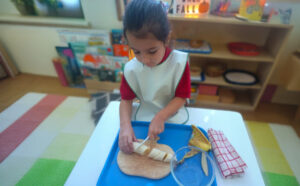
Feeding our children is always a priority in our daily planning. We look for fresh, nutritious, and tasty foods for our kids and that’s sometimes a complicated task because the amount of information may be overwhelming. But it is necessary to know that good eating habits are learned in childhood, so a healthy relationship with food must be instilled from an early stage.
Building a Balanced Plate
Most pediatricians recommend introducing solid foods at around 6 months of age; ask your pediatrician when your baby is ready. The progress from a milk-only diet toward a varied one is gradual and should include foods from all the groups. Proteins, vegetables, fruits, and carbohydrates are necessary for the good functioning of the body of children. You can get into the habit of trying different types of protein with each meal and a couple of different vegetables. Thus you can teach your child to appreciate each flavor and learn to know what he likes or doesn’t.
Proteins are necessary for important functions including growth, brain development, and healthy bones, but carbohydrates are essential too, so both types of food should be included in each meal. In the case of vegetables and fruits you can start with small portions; the size depends on the age and physical activity of the child. You can combine them with dairy products such as milk and yogurt that provide calcium as well as vitamins A and B12 and minerals. Calcium is an essential nutrient for children to develop strong bones and teeth. Prefer natural yogurt rather than sweetened, and add natural flavorings so your child gets used to these flavors and develops healthier habits around sugar.
Sugar and Fats
Sugary pastries and desserts, soft drinks, sweets, biscuits, and similar snacks are best kept for special occasions; eating too many of them is linked to higher rates of obesity.
Fats are also important in children’s nutrition but too much of any sort of fat is not recommended. Butter, oils, and spreads aid the absorption of vitamins (A, D, E, and K). A special kind of fat, Omega 3, is essential for the human body and can be found in fish, nuts, seeds, and their oils, so these foods should not be forgotten when shopping or cooking meals.
Practical Tips for Healthy Eating
- Although cereals can be an easy option for breakfast, read the labels carefully; many contain high sugar levels. Choose an unsweetened one and combine it with some fruit.
- Include some protein at breakfast, such as an egg or yogurt. This meal is really important: it is the first contribution of energy after many hours of sleep.
- Children love snacks but sometimes they prefer unhealthy ones. Teach your kids to eat fruit when they feel hungry, a good habit that will be beneficial throughout life.
- Water is preferable to any drink. Juices and smoothies are delicious but can contain a lot of sugar.
- Parents are role models, so eat healthy, exercise, and drink water and your children will learn good habits by imitating you.
- Get kids involved in shopping for groceries and preparing their own meals and keep healthy snacks available.
- Breakfast is an important meal, but that does not mean eating too much. Combine proteins and carbohydrates and offer your child some fruit; a good breakfast provides the energy an active child requires.
The Value of Family Meals
Family meals are great opportunities to strengthen ties: gather your children around a table, talk to them about their activities and problems, and keep them away from phones, computers, or TVs.
By eating together you can monitor your kids’ habits and you can also teach by example. Children will observe how you combine the food and the size of the portions you serve, as well as how to sit and good table manners.